
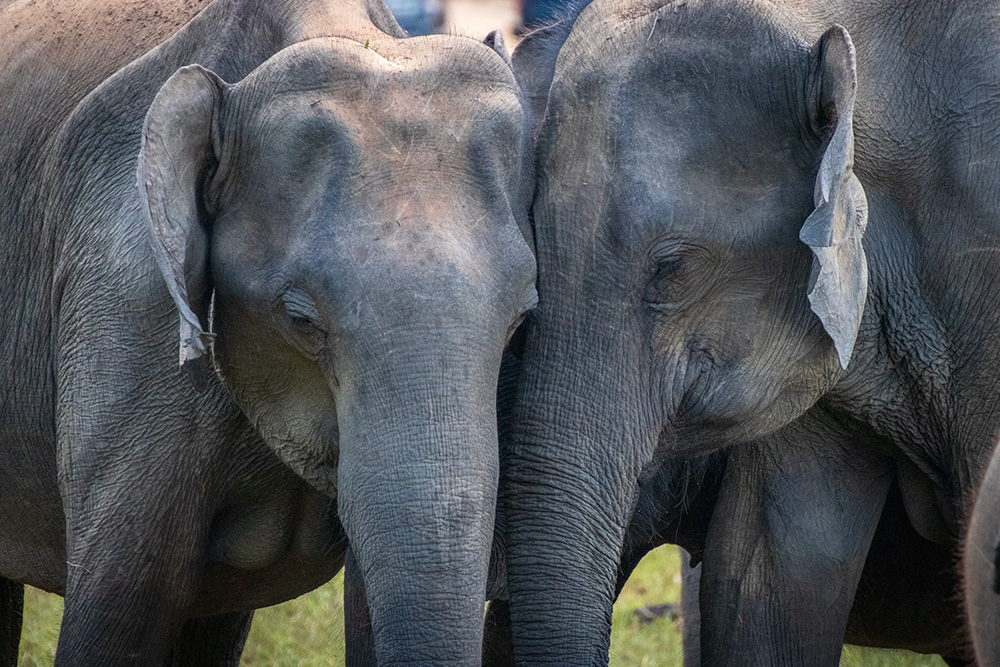
Wildlife conservation is crucial to maintaining the natural balance of our planet’s ecosystems. As we witness the impacts of climate change and human activities on wildlife and their habitats, the preservation of endangered species and their habitats becomes increasingly critical. Elephants, in particular, have been severely impacted by human activity, and their conservation is essential to preserving the delicate balance of our planet’s ecosystems.
Elephants are intelligent and social animals that play a vital role in shaping the ecosystems in which they live. As a keystone species, they help maintain the balance of ecosystems by modifying landscapes, distributing seeds, and promoting plant growth. They also play a crucial role in maintaining the water cycle of their habitats by creating watering holes and trampling vegetation to create pathways for rainwater to penetrate the soil.
Despite their importance, elephants are under threat from habitat loss, poaching, and human-wildlife conflict. Habitat loss occurs as human development encroaches on natural habitats, and elephants are forced to compete for resources with humans, often resulting in conflict that can be deadly for both elephants and humans. Poaching is also a significant threat to elephants, as their ivory tusks are highly valued in many parts of the world, leading to a rapid decline in elephant populations. Climate change is also having a significant impact on elephant habitats, altering the availability of food and water.
To address these threats, wildlife conservation organizations have been working tirelessly to protect elephants and their habitats. One such organization is Save the Elephants, which conducts research on elephant behavior and ecology, develops conservation strategies, and advocates for the protection of elephants from threats such as poaching and habitat loss. Elephants Without Borders is another organization focused on conserving African wildlife, particularly African elephants, through research and education.
These organizations also work with local communities to promote sustainable development and create economic opportunities that do not rely on the exploitation of natural resources. By doing so, they aim to promote coexistence between humans and elephants while securing a future for elephants in the wild.